Warhound Raises $200 Million to Engineer Military Working Dogs
A new venture backed by major tech and intelligence investors aims to clone and genetically modify dogs for military service.
By Kavya Kapoor ·
Warhound has secured $200 million in fresh funding to build a new breed of military working dog. The company emerged from stealth on Thursday with a valuation of $1.2 billion. This investment round includes backing from prominent firms like Sequoia, 8VC, and Corner Ventures. It also includes In-Q-Tel, a venture fund supported by the CIA and other U.S. intelligence agencies.
The venture is a joint effort between Colossal Biosciences and Anduril. Colossal, known for its work in de-extinction, is licensing its gene-editing technology to the project. Anduril, a defense technology firm, will provide the hardware and software components for the dogs. The goal is to create animals that can perform dangerous tasks better than humans or existing machines.
The primary motivation for this initiative is the current shortage of capable working dogs in the United States. According to the company's launch announcement, over 80% of the U.S. military's working dogs are imported from Europe. Of those imported animals, fewer than half are deemed fit for active service. This reliance on foreign sources has prompted a push to domesticate the supply chain.
Ben Lamm, a co-founder of Colossal, explained that he met Palmer Luckey of Anduril at a conference about a year ago. Their discussions centered on the need to improve the health and longevity of working dogs. Lamm noted that many dogs fail training due to inherited issues. These include poor eyesight, a high risk of cancer, hip dysplasia, and muscle atrophy.
The team is focusing on the Belgian Malinois and German Shepherd breeds. They have collected cell lines from top-performing individuals of these breeds and stored them in a biobank. The plan is to use gene editing to enhance traits like speed, agility, and olfactory sensitivity. They will also remove genes associated with health problems to create a new type of dog suited for demanding missions.
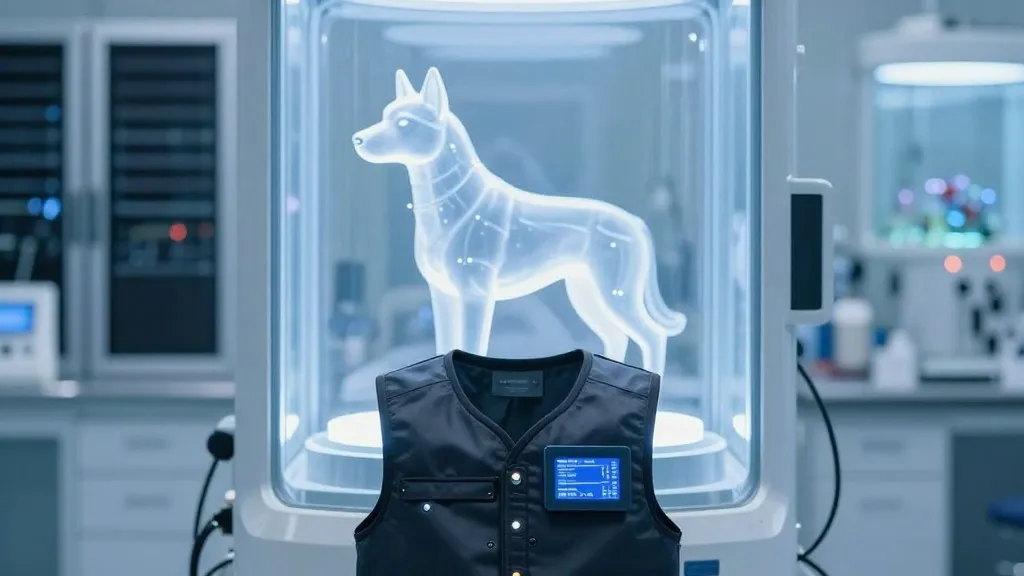
Anduril will equip these dogs with specialized gear to aid their handlers. This includes protection vests and goggles designed to improve situational awareness. Lamm described the concept as adding technology on top of the dog rather than inside it. For example, bulletproof vests could contain data sensors that transmit real-time information back to human handlers.
Lamm emphasized that the enhancements aim to make the dogs safer and more effective in the line of duty. He believes that healthier and better-performing dogs will also offer greater protection to their human handlers. Luckey is a partner in the venture but does not own equity in it. Colossal holds equity and supports the business through its technology license.
The first batch of these engineered dogs is expected to be cloned and incubated soon. Births are anticipated in early next year, with the animals potentially entering service within two years. Viagen, another company owned by Colossal, will handle the cloning process. Lamm stated that Viagen has a high success rate in cloning, a technology already used in Colossal's efforts to protect endangered species.
Warhound has not yet determined the price it will charge for these dogs. It expects to sell to first responders, the Department of Defense, various military service groups, and police forces. The company has briefed numerous government groups on its plans. Lamm stated that each dog will undergo standard military working dog training and be managed by the purchasing agency.
The American Humane Society is guiding the certification of Warhound's training program. The organization aims to ensure the animals are treated humanely throughout their service lives. Upon retirement, these dogs may enter the Society's Military Working Dog Reunification Program. This program provides homes for retired military dogs. The Society stated it looks forward to working with Warhound to ensure ethical treatment of the animals.
Source: TechCrunch