Nvidia Acquired Microducks Surge to 20,000 Preorders After Berlin Debut
The open-source robotic ducks, now part of Nvidia's portfolio following the Hugging Face acquisition, are poised to become the top-selling holiday gadget.
By Anna Nowak ·
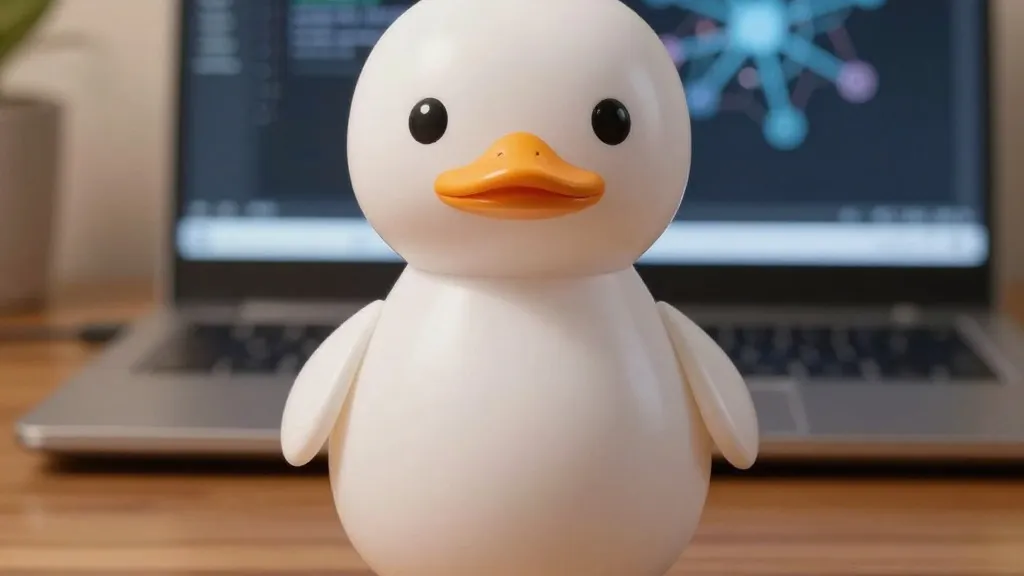
The robotics sector has recently shifted focus from complex industrial automation to consumer-grade companionship, a pivot that gained significant traction during the recent GTC Berlin conference. This week, footage of Nvidia Chief Executive Jensen Huang interacting with a group of small, waddling robots sparked a viral moment that translated directly into commercial success. By the day following the keynote, preorders for the Microduck units exceeded 20,000, a figure confirmed by Hugging Face CEO Clem Delangue on social media.
The timeline of this product’s rise is tightly linked to corporate consolidation in the AI space. Pollen Robotics, the original creator of the Microducks, was acquired by Hugging Face in 2025. Subsequently, Nvidia purchased Hugging Face in September, integrating the robot manufacturer into the GPU giant’s broader ecosystem. This marks the second robotic product to emerge from this lineage, following the earlier release of the Reachy Mini.
The immediate market response was driven by the device’s unique appeal. During the keynote, the Microducks demonstrated a range of behaviors, including stomping, lying down for simulated naps, and performing somersaults in response to voice commands. They also emitted sounds reminiscent of the droid R2-D2. This blend of mechanical function and playful aesthetic appears to have captured the attention of both children and adults, with promotional materials highlighting usage by grown-ups as well.
From a technical standpoint, the Microducks are open-source devices that rely heavily on Nvidia’s underlying infrastructure. The robots are trained using Nvidia’s technology stack, where simulations teach the units basic maneuvers such as walking, sitting, and standing before they are shipped to consumers. Pollen Robotics has stated that owners can program new tricks into their units and subsequently share these custom behaviors with the wider community, fostering a collaborative development environment.
The rapid accumulation of preorders suggests that the Microducks are on track to be delivered in time for the holiday season. Delangue has suggested that the device could become the best-selling robot of the year, noting that its popularity may extend beyond the traditional children’s toy market. For a Midwest audience, this represents a tangible, low-stakes entry point into the world of artificial intelligence, offering a tactile contrast to the more abstract software models driving the industry.
The context of this release is particularly notable given the current state of the AI industry. This week was marked by a series of high-profile cyberattacks where AI involvement was blamed for significant damage, creating a tense atmosphere around the technology’s reliability. Against this backdrop, the Microducks serve as a lighthearted counter-narrative. They demonstrate that AI integration can be approachable and enjoyable, potentially easing public apprehension as the technology continues to permeate daily life.
Looking ahead, the next phase for the Microducks involves mass production and distribution to ensure the 20,000 preorders are fulfilled before Christmas. The success of this initial batch will likely dictate the scale of future releases from the Nvidia-Hugging Face-Pollen partnership. As the industry continues to navigate security challenges, the Microducks may serve as a key case study in how consumer-facing AI products can build trust through simplicity and engagement rather than complexity.
Source: TechCrunch